Understanding Lifestyle Habits and Eating Patterns

Explore how everyday routines, environments, and social contexts shape our eating behaviours and influence general weight tendencies. This educational resource provides informational insights into the connections between daily life and nutrition patterns.

Educational content only. No medical services. No promises of outcomes.

Read the overview
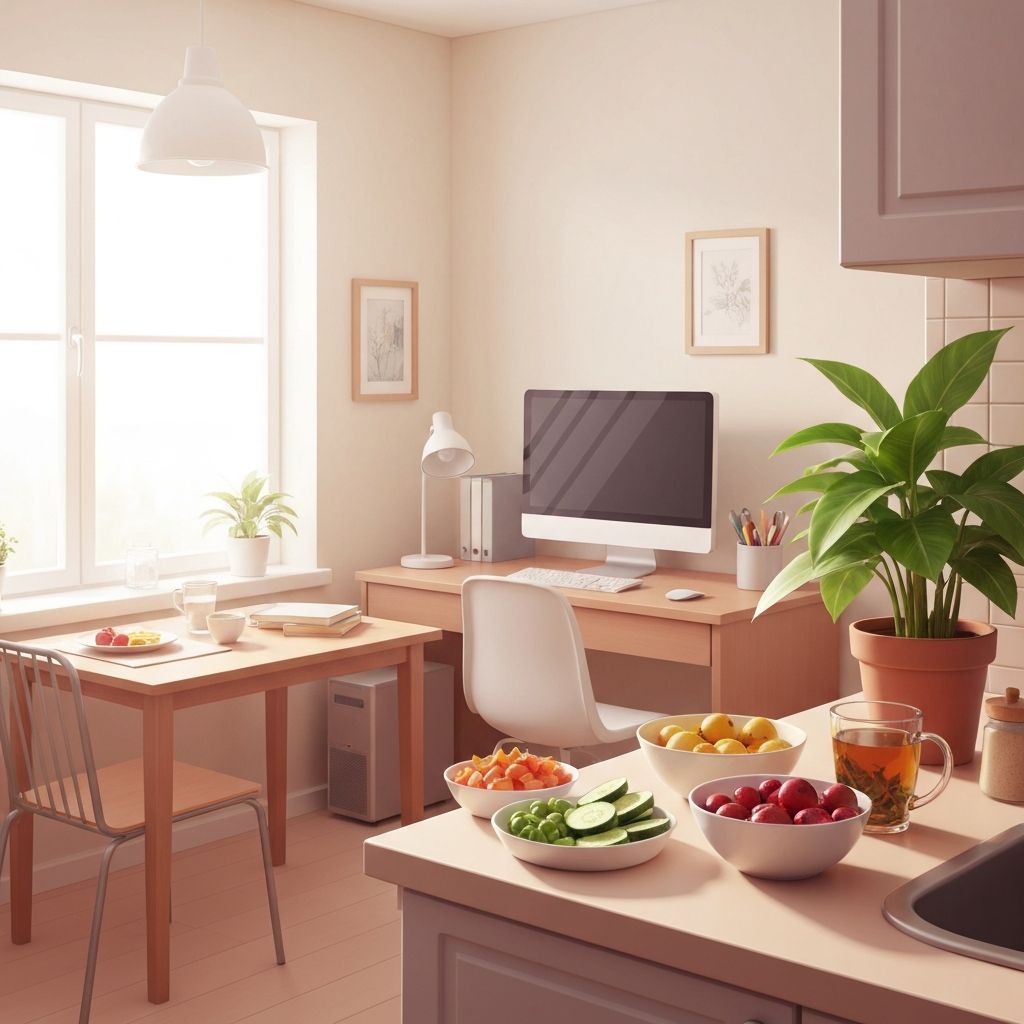
Everyday lifestyle scene with balanced meal setting
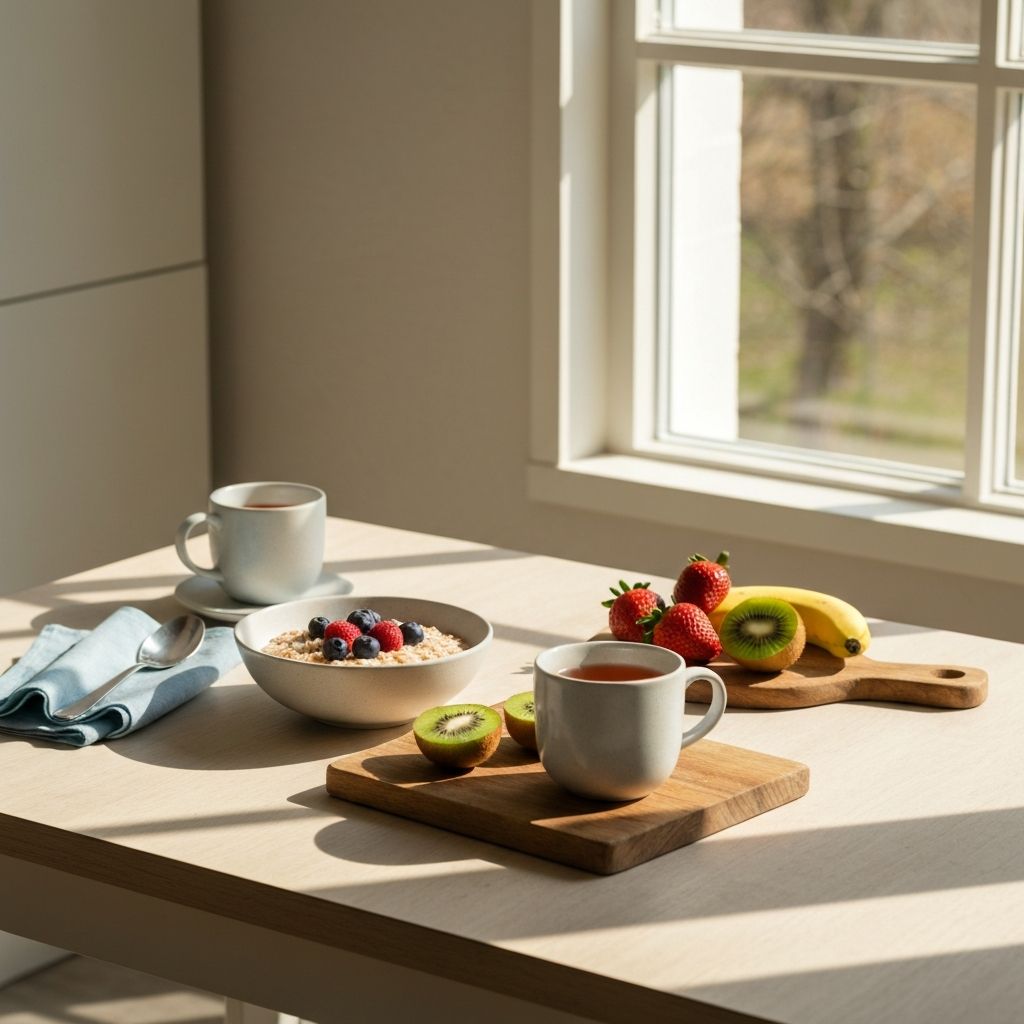
Morning routine with breakfast preparation

Daily Routines and Meal Timing

The structure of our daily schedules often determines when and how we eat. Morning routines, work commitments, and evening activities all contribute to establishing patterns around meal times.

Research observations suggest that consistent daily rhythms tend to correlate with more regular eating patterns. However, individual circumstances vary considerably, and there is no single approach that applies universally to all lifestyles.

Understanding these connections can provide context for recognising how personal schedules interact with eating behaviours, without prescribing specific changes or outcomes.

Sleep Patterns and Their Influence

Sleep duration and quality have been studied extensively in relation to various aspects of daily life, including food choices. Rest periods appear to play a role in how individuals approach eating throughout the day.

General observations indicate that sleep patterns may influence energy levels, which in turn can affect decisions around food selection. The relationship between rest and nutrition is complex and influenced by numerous individual factors.

This area of study continues to evolve, with researchers examining how circadian rhythms interact with lifestyle factors across different populations and circumstances.

Peaceful bedroom environment suggesting restful sleep

Work Environment and Eating Choices

The settings where we spend our working hours can shape food availability, meal timing, and eating contexts in various ways.

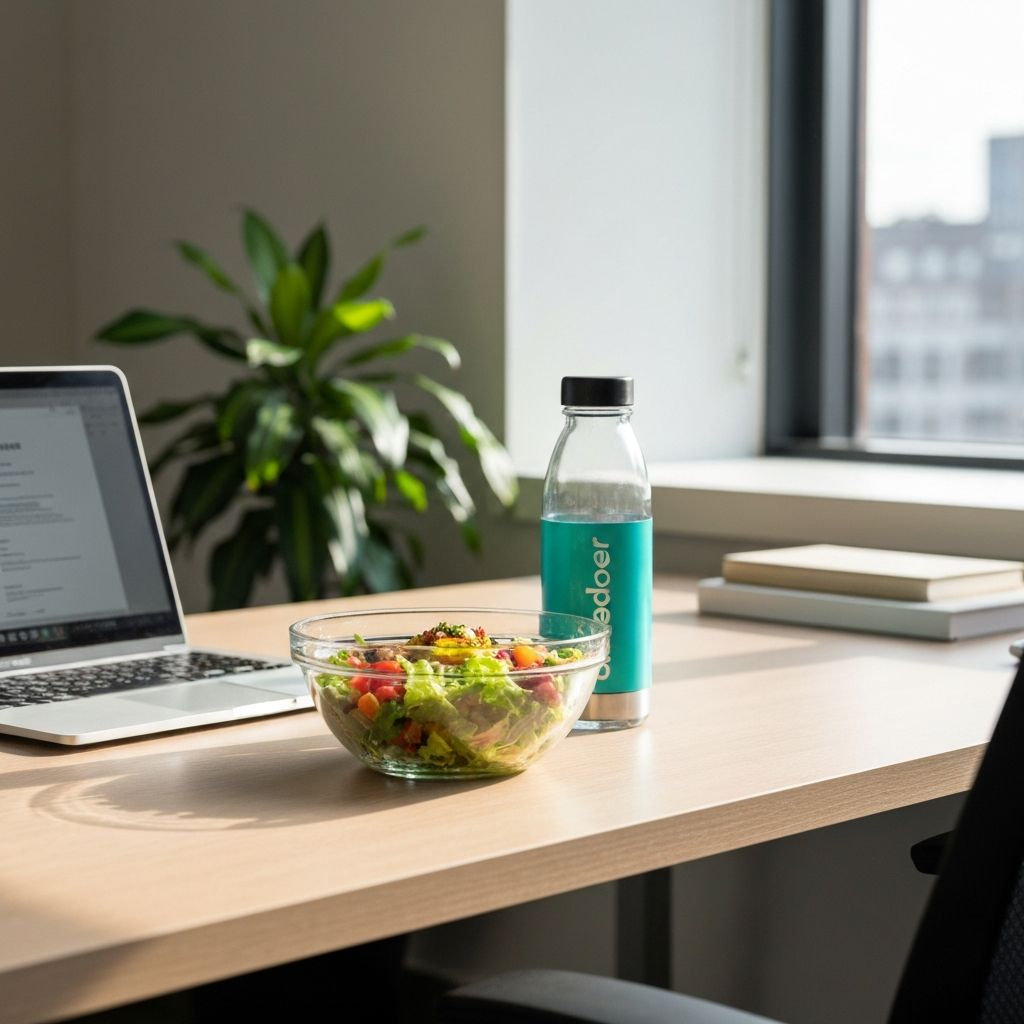
Office workspace with desk and natural light

Office Settings

Workplace environments often provide specific contexts for eating, from dedicated break rooms to desk-based meals. The availability of food options, time constraints, and social norms within office settings all contribute to how individuals approach nutrition during working hours.

Home office setup with comfortable workspace

Home-Based Work

Working from home presents different circumstances regarding food access and meal timing. The proximity to kitchen facilities and the absence of commuting can alter daily eating patterns in ways that vary considerably between individuals and household situations.

Table setting prepared for shared meal

Social Settings and Communal Meals

Eating in social contexts—whether with family, friends, or colleagues—introduces additional factors that can influence food choices and eating patterns. Shared meals often involve different dynamics compared to eating alone.

Social influences on eating have been observed across various cultural contexts. The presence of others, conversation during meals, and shared food traditions all contribute to the social dimension of nutrition.

These observations highlight the interconnected nature of eating behaviours with broader social and cultural factors, without suggesting any particular approach is preferable.

Snacking and Casual Food Patterns

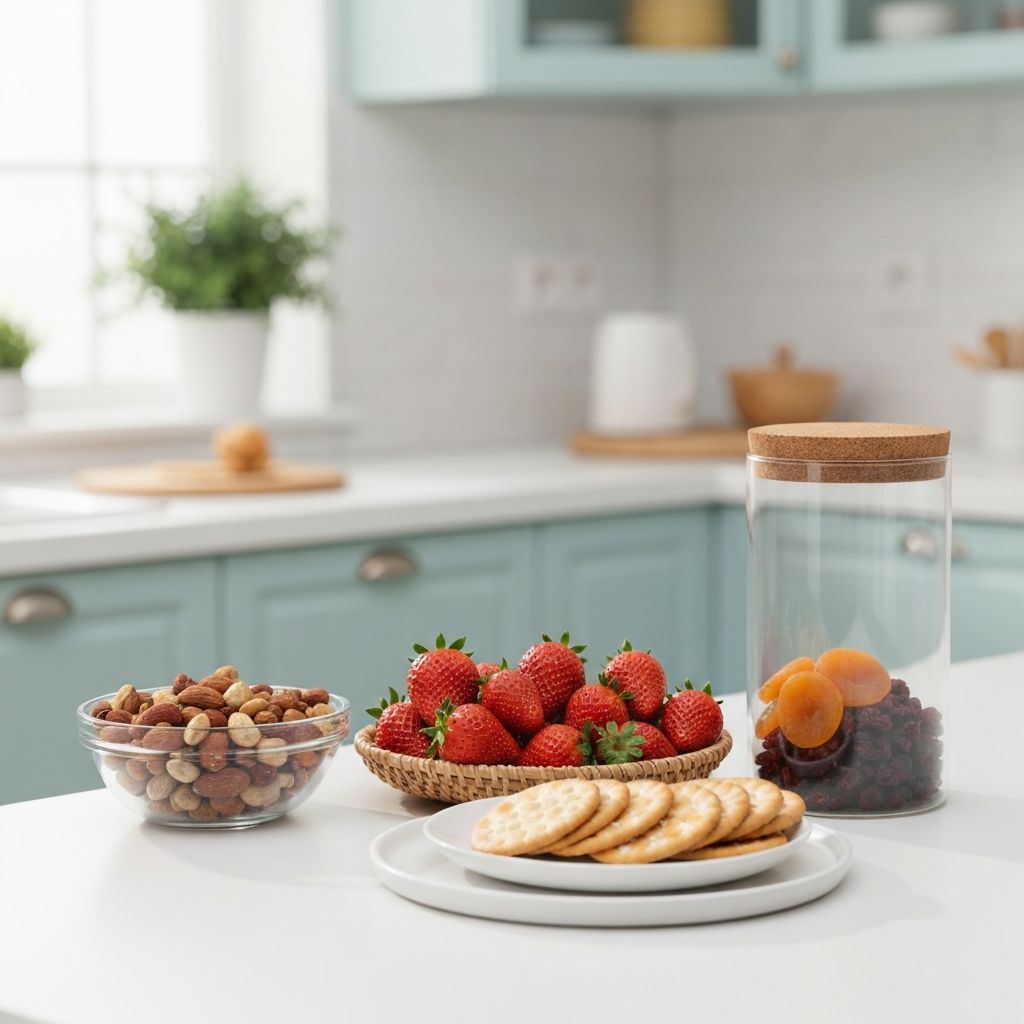
Between-meal eating represents another aspect of daily nutrition patterns. The contexts in which snacking occurs—during work, leisure activities, or social gatherings—can vary widely among individuals.

Environmental factors, such as food visibility and accessibility, have been noted as potential influences on snacking behaviours. Personal habits, cultural backgrounds, and daily schedules also contribute to these patterns.

Understanding the various contexts around casual eating provides informational perspective on this common aspect of daily nutrition without implying value judgements about different approaches.

Kitchen counter with various food items arranged neatly
Calendar and meal planning materials on desk

Weekly Routines and Lifestyle Trends

Beyond daily patterns, weekly cycles also appear to influence eating behaviours. Differences between weekday and weekend routines, work schedules, and social commitments can create varying patterns across the week.

Observations suggest that meal timing, food preparation approaches, and eating contexts often differ between working days and days off. These variations reflect the broader rhythm of modern life.

Recognising these weekly patterns provides context for understanding how lifestyle factors interact with nutrition over longer timeframes.

Environmental and Schedule Effects

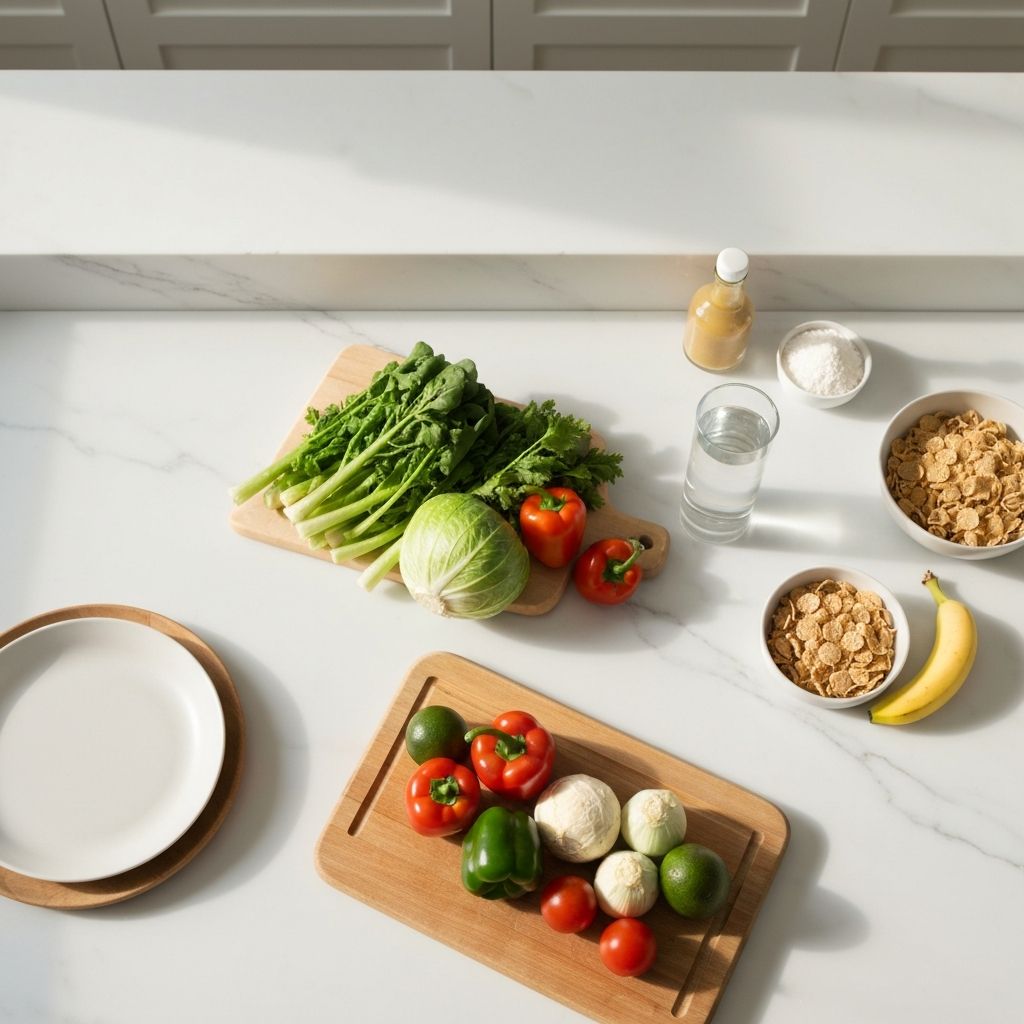
The physical environments we inhabit and the schedules we follow create contexts that can shape eating patterns. Factors such as seasonal changes, geographic location, and daily time constraints all contribute to these influences.

Research in this area examines how external circumstances interact with individual choices around food. The availability of different foods, cultural food practices, and environmental factors all play roles in these complex relationships.

This perspective emphasises the contextual nature of eating behaviours rather than focusing solely on individual decisions.

Seasonal produce and kitchen environment

Limitations and Context

  • Informational Purpose: All materials presented on this website are intended for general educational purposes only. The content describes observations and general patterns without providing specific guidance.
  • No Personal Advice: This resource does not offer personalised recommendations regarding nutrition, lifestyle changes, or health-related decisions. Individual circumstances vary considerably.
  • Diverse Approaches: There are many different approaches to daily routines and eating patterns. This content does not advocate for any particular method or suggest that certain approaches are superior to others.
  • Individual Decision-Making: The information provided here is not intended to replace individual judgement or professional consultation. Readers are encouraged to consider their own circumstances when reflecting on these topics.
  • No Outcome Promises: This educational content makes no claims about specific results or outcomes. The relationship between lifestyle factors and weight tendencies is complex and individual.

Frequently Asked Questions

What is the purpose of this website? +

LifeBalance is an educational resource that provides informational content about how everyday lifestyle habits relate to eating patterns and general weight tendencies. The website aims to explain these relationships in an accessible, neutral manner without offering advice or promoting specific approaches.

Does this website provide medical or dietary advice? +

No. This website provides educational information only and does not offer medical advice, dietary recommendations, or personalised guidance of any kind. For matters related to health, nutrition, or lifestyle changes, readers should consult appropriate professionals.

Who creates the content on this website? +

The content is developed by the LifeBalance editorial team, which focuses on presenting educational information about lifestyle factors and their relationships to eating patterns. The content is based on general observations and publicly available research summaries.

Can I use this information to change my eating habits? +

This website provides general educational content rather than actionable guidance. The information is intended to help readers understand various factors that may influence eating patterns in general terms. Any decisions about personal habits should be based on individual circumstances and, where appropriate, professional advice.

How often is the content updated? +

The educational content on this website is reviewed periodically to ensure it remains relevant and accurate. However, the general nature of the topics covered means that the core information tends to remain stable over time.

Get in Touch

If you have questions about the educational content on this website, please reach out using the form below or through our contact details.

Contact Information

LifeBalance

10 Queen's Road
London, SW1A 1AA
United Kingdom

Phone: +44 20 79 56 48 21

Email: [email protected]

Send a Message

Explore Lifestyle Context

Continue learning about the relationships between daily habits, environments, and eating patterns through our educational content.

Understand general patterns